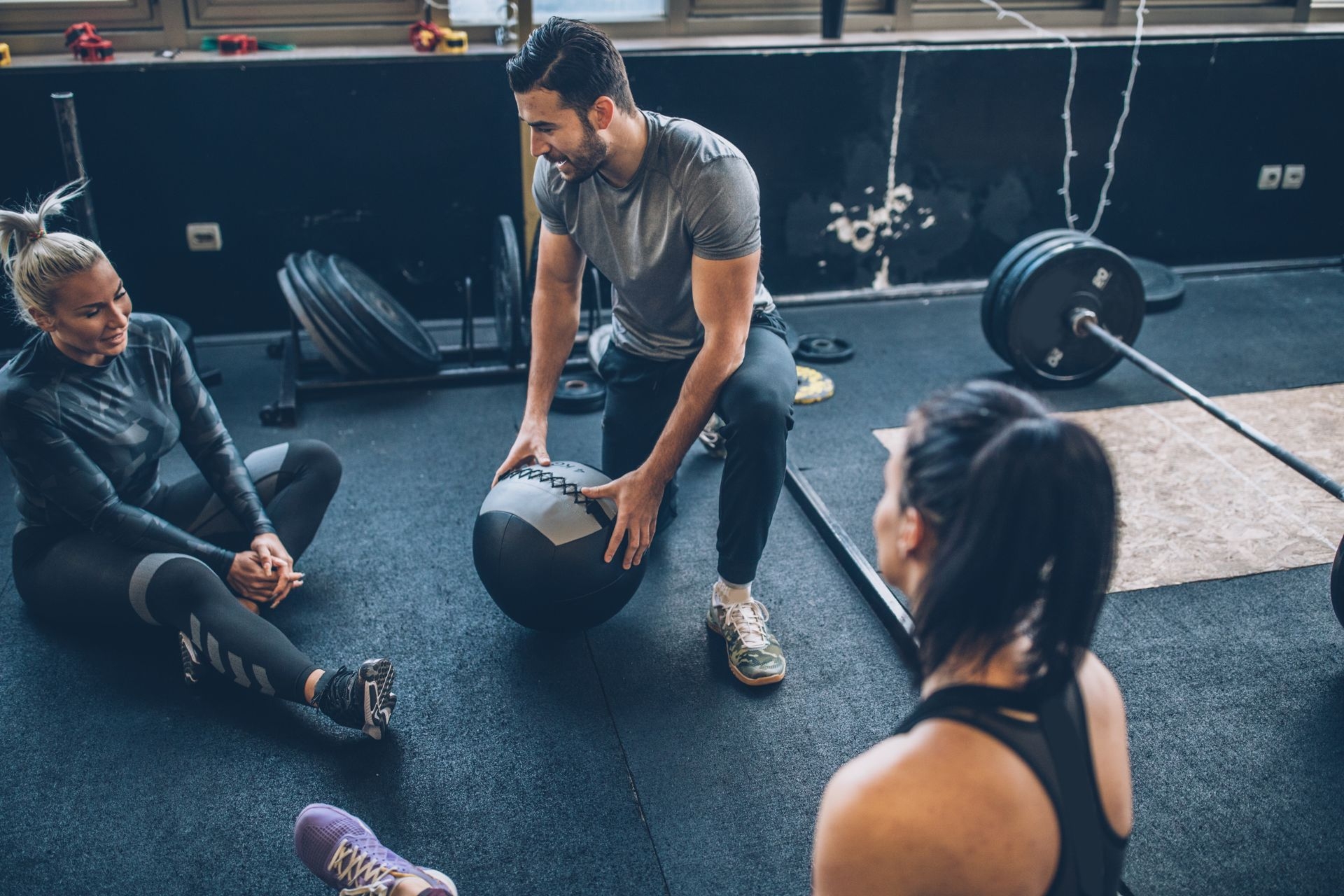
Core strengthening exercises offer numerous benefits for overall health and fitness. Firstly, these exercises help to improve stability and balance by targeting the muscles in the abdomen, lower back, and pelvis. Strengthening these muscles can enhance posture and reduce the risk of falls or injuries. Additionally, core exercises can improve athletic performance by increasing power and efficiency in movements. They also contribute to a stronger and more functional core, which can enhance performance in various sports and activities. Moreover, core strengthening exercises can help alleviate lower back pain by providing support and stability to the spine. By strengthening the muscles in the core, individuals can reduce the strain on the lower back and improve overall spinal health.
The frequency of core strengthening exercises depends on individual goals and fitness levels. Generally, it is recommended to perform these exercises at least two to three times per week. However, beginners may start with one or two sessions per week and gradually increase the frequency as they become more comfortable and stronger. It is important to allow for adequate rest and recovery between sessions to prevent overuse injuries. Additionally, incorporating a variety of exercises that target different areas of the core can help maximize the benefits and prevent boredom.
Wind sprints have secured a prominent place among today’s vast array of personal training options. Consisting of a series of top-speed running spurts, followed by… The post Wind Sprints: How to Effectively Train Personal Training Clients for Speed appeared first on National Federation of Professional Trainers.

Posted by on 2024-01-02
Winning over seasoned fitness enthusiasts into new personal training clients can seem like a daunting task. They have the confidence and discipline to stick to… The post Winning Seasoned Fitness Enthusiasts as A-List Personal Training Clients appeared first on National Federation of Professional Trainers.

Posted by on 2023-12-22
There are numerous effective core strengthening exercises that target different muscles in the core. Some examples include planks, which engage the entire core, including the abdominal muscles, lower back, and glutes. Another effective exercise is the Russian twist, which targets the obliques and improves rotational strength. Additionally, exercises such as bicycle crunches, leg raises, and bird dogs are also effective in strengthening the core muscles. It is important to perform these exercises with proper form and technique to ensure maximum effectiveness and prevent injuries.

Yes, core strengthening exercises can help improve posture. The core muscles play a crucial role in maintaining proper alignment and stability of the spine. Weak core muscles can lead to poor posture, which can contribute to various musculoskeletal issues such as back pain, neck pain, and rounded shoulders. By strengthening the core muscles, individuals can improve their posture by providing support and stability to the spine. This can help align the body properly and reduce the risk of postural imbalances and associated discomfort.
Yes, there are specific core strengthening exercises that can help alleviate lower back pain. One effective exercise is the bridge, which targets the glutes and lower back muscles. Another exercise is the cat-camel stretch, which helps to mobilize the spine and relieve tension in the lower back. Additionally, exercises such as the bird dog and superman pose can strengthen the muscles in the lower back and improve stability. It is important to consult with a healthcare professional or a qualified fitness instructor to determine the most appropriate exercises for individual needs and conditions.
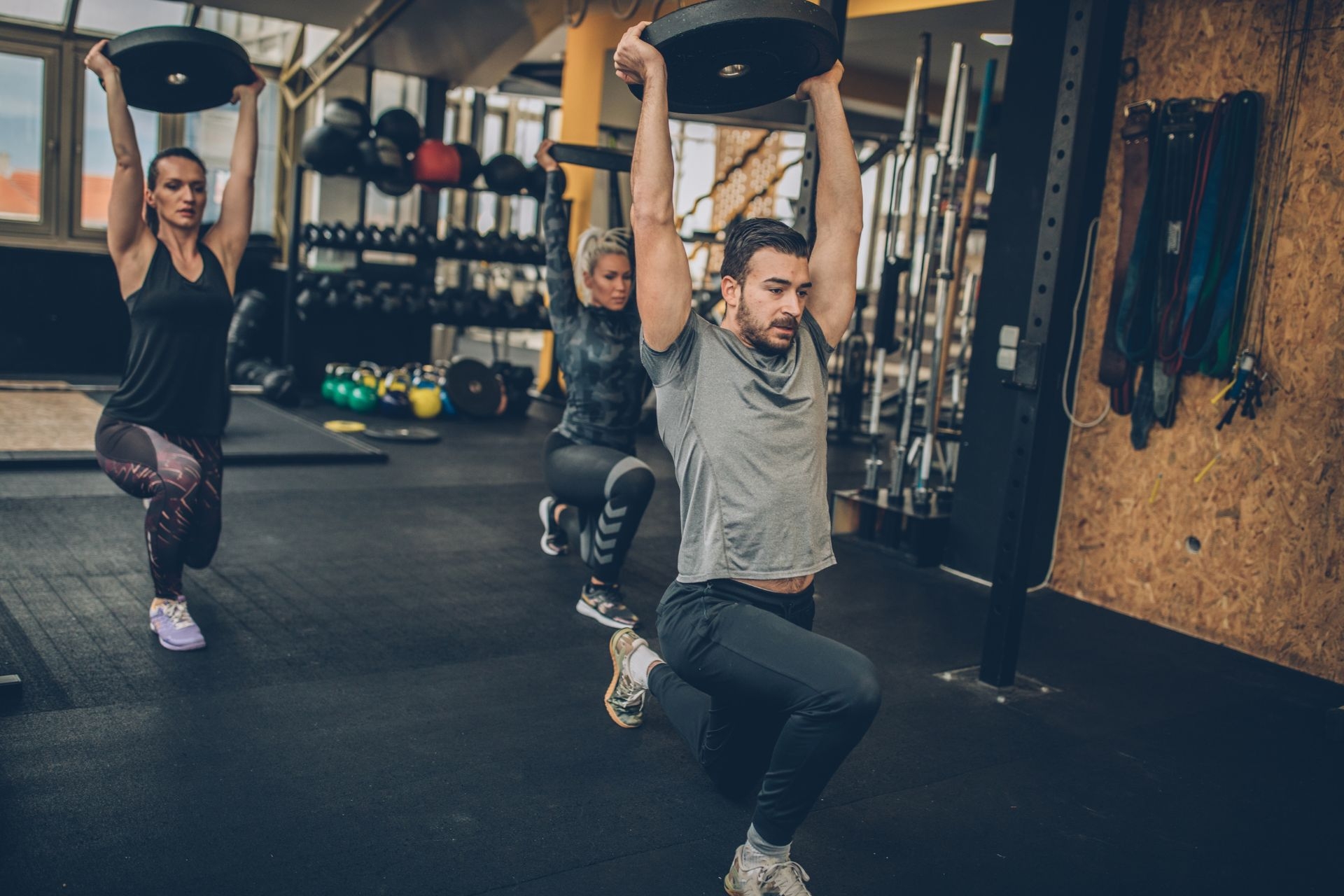
Core strengthening exercises can indeed help improve athletic performance. A strong and stable core is essential for generating power, transferring force, and maintaining balance in various sports and activities. By strengthening the core muscles, individuals can enhance their ability to generate force and control movements, leading to improved performance. Additionally, a strong core can help prevent injuries by providing stability and support to the spine and other joints during dynamic movements. Incorporating core strengthening exercises into a well-rounded training program can contribute to overall athletic performance.
When performing core strengthening exercises, it is important to take certain precautions and modifications into consideration. Firstly, it is crucial to maintain proper form and technique throughout the exercises to prevent injuries and maximize effectiveness. It is also important to start with appropriate progressions and gradually increase the intensity and difficulty of the exercises as strength improves. Individuals with pre-existing medical conditions or injuries should consult with a healthcare professional before starting a core strengthening program to ensure safety and suitability. Additionally, it is important to listen to the body and avoid pushing through pain or discomfort. Rest and recovery are also important aspects of any exercise program to prevent overuse injuries.

Yes, there are personalized training options available for individuals who are looking to enhance their memory and cognitive function. These training programs are designed to cater to the specific needs and goals of each individual, taking into account factors such as age, current cognitive abilities, and areas of improvement. These programs often incorporate a combination of mental exercises, brain games, and memory techniques to stimulate and challenge the brain. Additionally, some personalized training options may also include lifestyle modifications, such as diet and exercise recommendations, as these factors can also impact cognitive function. Overall, these personalized training options aim to provide individuals with the tools and strategies they need to optimize their memory and cognitive abilities.
Personal training can offer several benefits for individuals with digestive issues. Firstly, a personal trainer can provide customized exercise programs that are tailored to the specific needs and limitations of the individual. This can help improve digestion by promoting regular bowel movements and reducing symptoms such as bloating and constipation. Additionally, personal trainers can educate individuals on the importance of proper nutrition and hydration for optimal digestive health. They can provide guidance on dietary choices that are rich in fiber, probiotics, and enzymes, which can aid in digestion and alleviate symptoms. Moreover, personal trainers can teach relaxation techniques and stress management strategies, as stress can exacerbate digestive issues. By incorporating exercises that promote relaxation, such as yoga or deep breathing, personal trainers can help individuals with digestive issues manage their symptoms more effectively. Overall, personal training can play a crucial role in improving digestive health and enhancing the overall well-being of individuals with digestive issues.
Yes, there are specialized programs available for individuals with a history of trauma. These programs are designed to provide comprehensive and targeted support to individuals who have experienced traumatic events. They often incorporate evidence-based therapies such as trauma-focused cognitive behavioral therapy (TF-CBT), eye movement desensitization and reprocessing (EMDR), and dialectical behavior therapy (DBT). These programs may also offer a range of services including individual therapy, group therapy, psychoeducation, and medication management. Additionally, they may have a multidisciplinary team of professionals, including psychologists, psychiatrists, social workers, and trauma specialists, who work collaboratively to address the unique needs of each individual. The goal of these specialized programs is to help individuals heal from their trauma, develop healthy coping mechanisms, and improve their overall well-being.
Yes, personal training can greatly assist individuals in building self-confidence and self-esteem. Through personalized fitness programs and one-on-one coaching, personal trainers can help individuals achieve their fitness goals, which in turn can boost their self-confidence. By providing guidance, support, and motivation, personal trainers can help individuals overcome challenges and push past their limits, leading to a sense of accomplishment and increased self-esteem. Additionally, personal trainers can provide valuable feedback and encouragement, helping individuals develop a positive body image and a greater sense of self-worth. The individualized attention and focus on progress can also help individuals develop a sense of self-efficacy and belief in their own abilities, further enhancing their self-confidence and self-esteem.
Yes, personal training can be highly effective in helping individuals improve their balance and coordination. A skilled personal trainer can design specialized exercises and training programs that target specific muscle groups and movements involved in balance and coordination. These programs may include exercises such as single-leg stands, stability ball exercises, and agility drills, which can enhance proprioception, core strength, and overall body control. Additionally, personal trainers can provide guidance and feedback on proper form and technique, ensuring that individuals perform exercises correctly and safely. By consistently working with a personal trainer, individuals can gradually improve their balance and coordination, leading to enhanced athletic performance and reduced risk of falls or injuries.